
Save the types!
Ever heard of type? Once it meant blocks of lead with the letters carved in reverse.
Why in reverse?! They worked a bit like stamps: pressed with ink onto paper, they printed the right way round.
They were called “movable type” because they could be set and reset into different words.
They printed thousands of posters, newspapers and flyers during the economic boom. Then, with the arrival of digital printing, many were melted down.
These survived — lucky types.
But how do you save them from being forgotten?
New life for old types
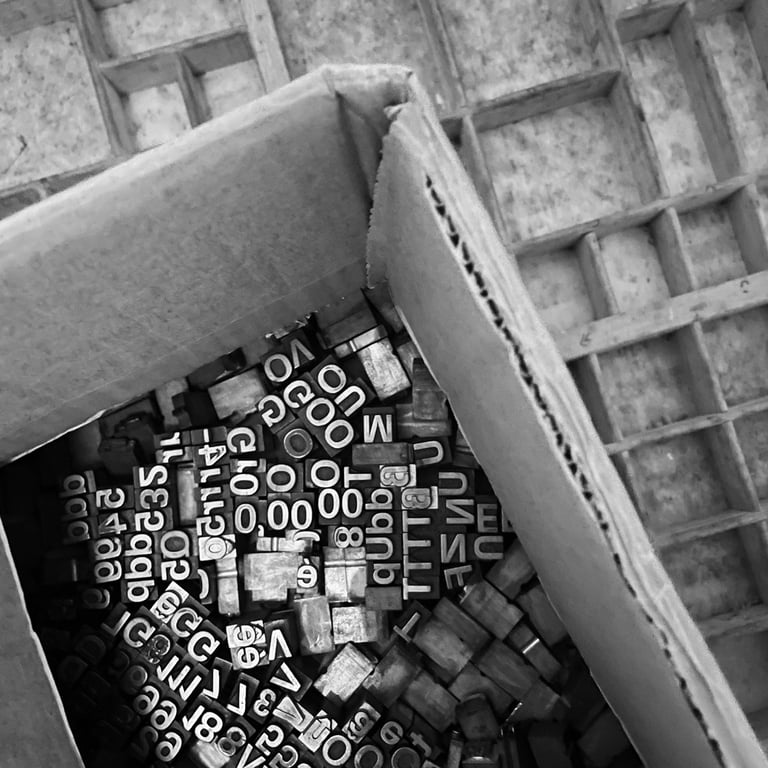
Recovery
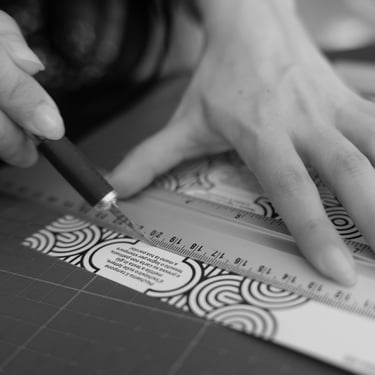
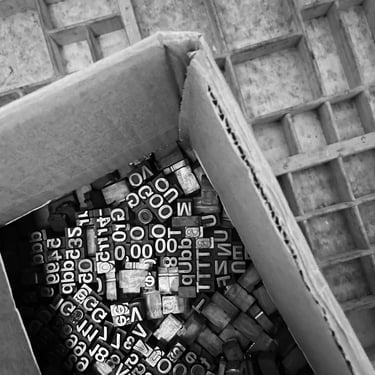
Craftsmanship
Customization
che tipo! rescues original movable type (1930–1970) from historic print shops and disused print houses. Each character carries its patina, impressions and natural wear — not flaws, but its history. A history worth continuing.
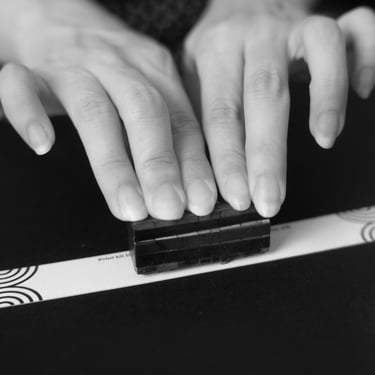
Keychains made from punctuation marks, stamps set from modern words to use or display as a statement, letters to complete tongue-in-cheek posters.
Upcycling in action: yesterday’s materials, once headed for the scrap heap, become today’s objects and creative kits.
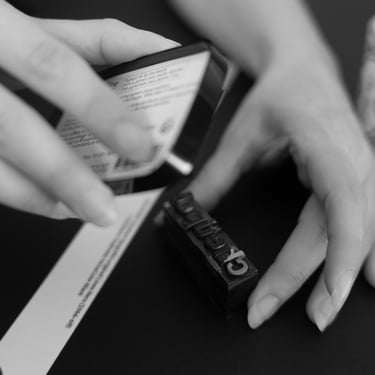
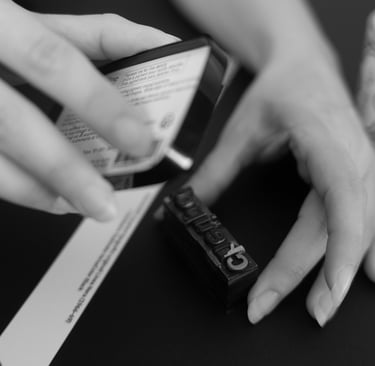
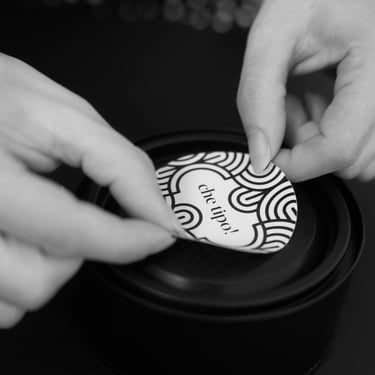
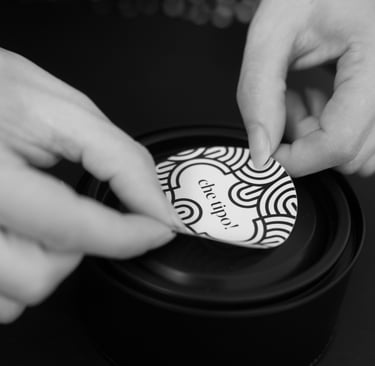
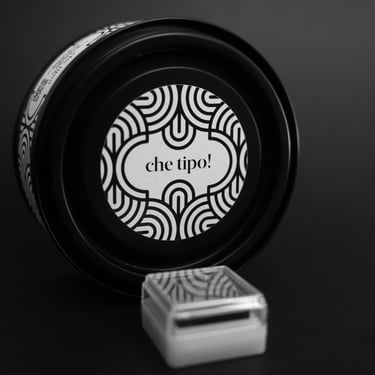
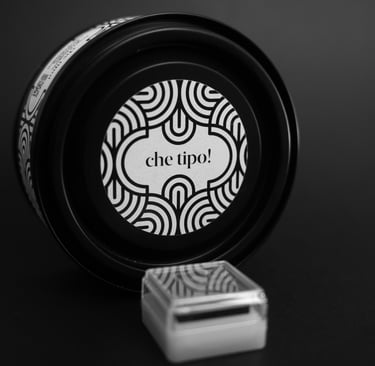
In Milan, at the che tipo! workshop, even the packaging is designed and assembled by hand.
Everything is handcrafted, so everything can be customized: your word, your initial, your phrase, your date.
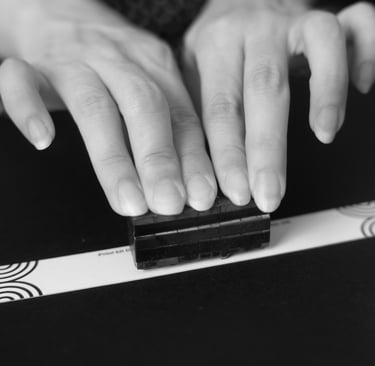
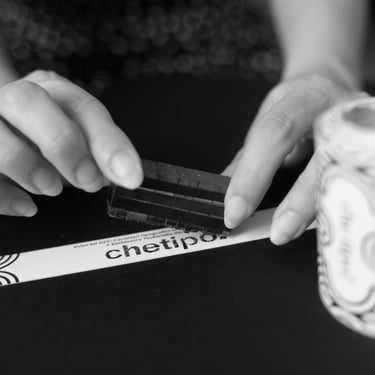
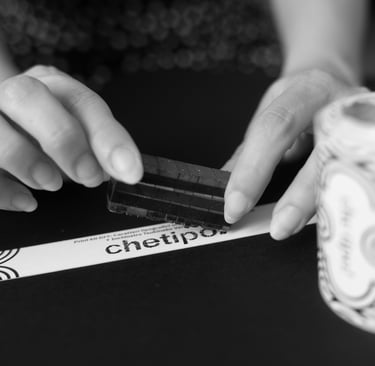

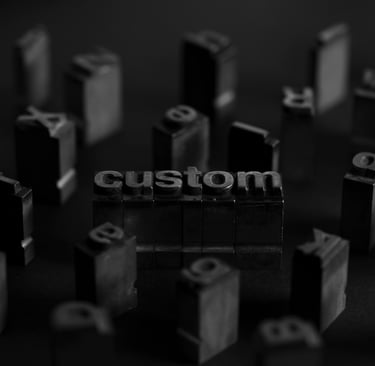
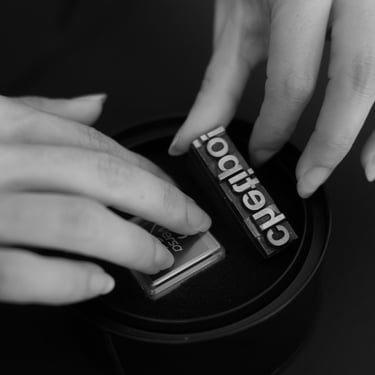
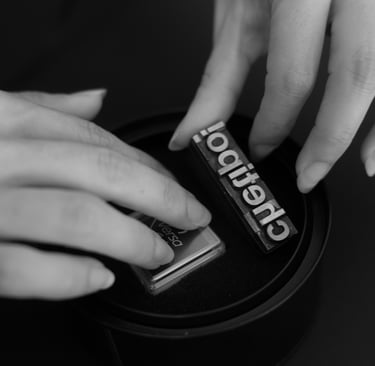
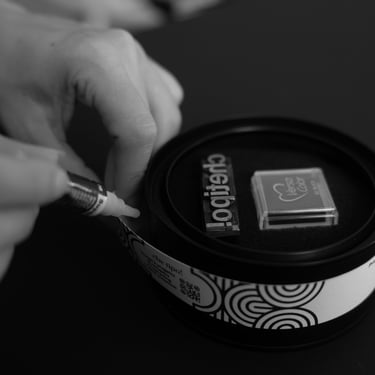
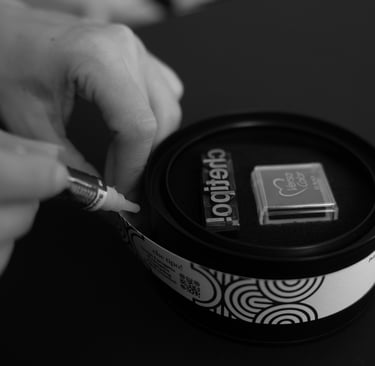
What characters!
The recovered letterpress type is original, from the 1930s–1970s, from historic typographies in Milan and Turin.
In those years, Fonderia Tipografica Cooperativa (Milan) and Nebiolo (Turin) were designing Italy’s own answers to the best-known international typefaces.
SPECIFICATIONS
Height: 36 pt
Weight: bold and black
Material: typographic alloy (lead, tin, antimony)
Distinguishing features: linear, captivating, full of character
TYPE ID
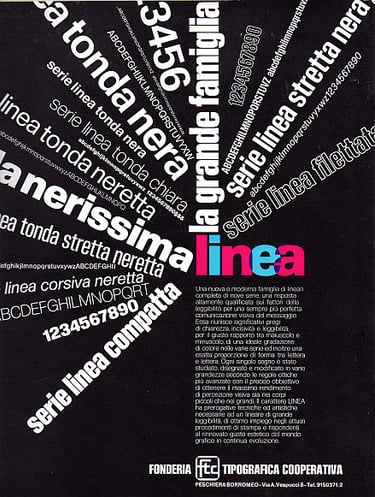
Surname and name: Linea Tonda Nera and Linea Tonda Nerissima
Date of birth: 1966-69
Place of birth: Milan, Fonderia Tipografica Cooperativa (FTC)
Dad: Umberto Fenocchio
DESIGNER
Umberto Fenocchio, designer and professor of typography and calligraphy. He designed the typefaces Grafico (1965), Linea (1966–1969), Calligrafia, Armonia and Brio.
After collaborating with Aldo Novarese and Pietro De Macchi at Nebiolo in Turin, he was artistic director of Fonderia Tipografica Cooperativa in Peschiera Borromeo (MI), where he designed the Linea typographic system (in variants Tonda, Nera, Nerissima, Corsiva, Stretta, and Profil) and th Sigla typeface, plus Arabic and Hebrew alphabets.
From 1974 to 1996 he taught typography and calligraphy at ISIA Urbino, then at Scuola Politecnica di Design (1969–1998) and NABA Milan from 1996.




SPECIFICATIONS
Height: 36 pt
Weight: bold and black
Material: typographic alloy (lead, tin, antimony)
Distinguishing features: squared, tall, full of character
TYPE ID
Surname and name: Eurostile Nera Stretta Compatta
Date of birth: 1962
Place of birth: Turin, Nebiolo
Dad: Aldo Novarese


DESIGNER
Aldo Novarese, one of the most important Italian type designers of the twentieth century. Trained at the G.B. Paravia printing school in Turin, in 1935 he joined the Studio Artistico of Fonderia Nebiolo, where, with Alessandro Butti, he designed Athenaeum, Normandia, Augustea and Microgramma. He was its artistic director from 1952 to 1972. He taught drawing at the Turin printing school and signed over a hundred typefaces — among them Eurostile (1962, heir to Microgramma, to which he added the lowercase), Egizio, Recta, Garaldus, Forma, Stop and Magister, and later Fenice and Novarese. Author of foundational texts on type design (Alfa-Beta, 1964; Il segno alfabetico, 1971) and of a ten-style classification of typefaces. At Nebiolo he worked alongside Umberto Fenocchio.